January 24, 2026
•Talynce Team
•9 min read
Understanding AI Recruitment: Foundations and Key Benefits
Explore the transformative power of AI in recruitment, enhancing efficiency, candidate experience, and diversity in hiring processes.
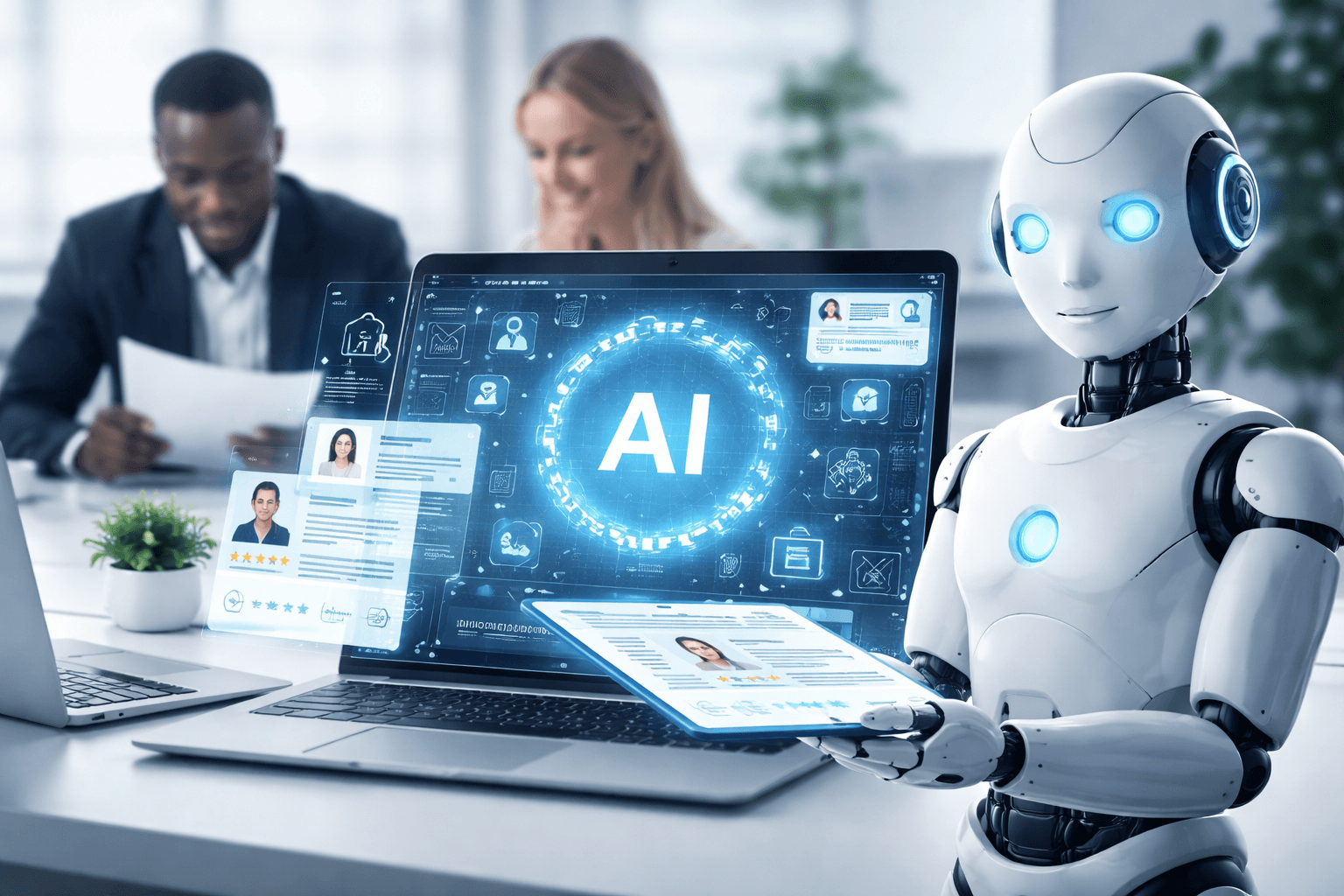
Explore the transformative power of AI in recruitment, enhancing efficiency, candidate experience, and diversity in hiring processes.
Join hundreds of teams using AI-powered recruitment to find the best talent faster.
Start for FreeIn today's fast-paced job market, traditional recruitment methods are becoming increasingly inefficient. The rise of artificial intelligence (AI) in recruitment is transforming how organizations approach hiring, making it more efficient and effective. With AI, companies can streamline processes, enhance candidate experience, and improve diversity in hiring. This article delves into the foundations of AI recruitment, its benefits, and best practices for implementation, all while examining its transformative impact on the hiring landscape.
Recruitment has come a long way from the days of newspaper ads and manual resume sorting. The evolution of recruitment technology has been marked by significant advancements:
AI has taken recruitment technology to the next level, enabling predictive analytics, automated communication, and improved candidate matching. According to a 2024 report by NASSCOM, 70% of Indian companies are expected to adopt AI recruitment tools by 2025. This shift signifies a major transformation in how organizations approach talent acquisition.
AI recruitment refers to the use of artificial intelligence technologies to enhance the hiring process. It encompasses various tools and techniques that help recruiters identify the best candidates efficiently. Key components of AI recruitment include:
AI algorithms can analyze resumes and extract relevant information, allowing recruiters to quickly identify qualified candidates.
Chatbots can communicate with candidates, asking preliminary questions and providing instant feedback, thus improving the candidate experience.
These tools utilize historical data to predict candidate success in specific roles, helping organizations make informed hiring decisions.
The integration of AI in hiring processes offers numerous advantages:
AI recruitment tools can reduce the time-to-hire by up to 50%. For example, companies using AI for resume screening can process applications much faster than traditional methods, allowing recruiters to focus on top candidates.
AI enhances the candidate journey by providing personalized job recommendations and timely updates, as noted by a Deloitte survey, which found that 56% of HR professionals believe AI will significantly improve the candidate experience by 2025.
Organizations using AI can increase diversity in their candidate pools by 30%, as highlighted by a study from McKinsey. By reducing bias in screening processes, AI ensures a more inclusive recruitment strategy.
AI tools help match candidates' skills and experiences with job requirements, leading to better hiring decisions and lower turnover rates.
Understanding how AI operates in recruitment can demystify its applications for HR professionals. Here’s a breakdown of the process:
AI systems gather data from various sources, including resumes, social media profiles, and job descriptions. This data is analyzed to identify patterns and trends.
Machine learning algorithms improve over time by learning from the data they process. These algorithms can assess candidate fit based on historical hiring data, making increasingly accurate predictions.
AI systems can provide feedback to recruiters, allowing them to refine their processes and improve outcomes continuously. This loop ensures that the recruitment strategy evolves with changing market dynamics.
Infosys, a leading IT services company, implemented AI recruitment tools to streamline its hiring process. By utilizing predictive analytics, they successfully reduced their time-to-hire by 40%, allowing them to onboard talent more rapidly in a competitive industry.
TCS adopted AI-driven chatbots to handle initial candidate queries and screening. This implementation not only improved their response time but also enhanced the overall candidate experience, leading to a 25% increase in candidate satisfaction ratings.
These examples demonstrate how AI can effectively transform recruitment processes in large organizations, enhancing both efficiency and candidate experience.
The growth of AI in recruitment is underscored by significant statistics:
These figures highlight the increasing reliance on AI technologies in recruitment, reflecting a broader trend toward digitization in HR practices.
While AI offers numerous benefits, organizations must be cautious of common pitfalls:
Failing to train AI systems with diverse data can lead to biased outcomes. Organizations should ensure their training data represents a wide range of candidates to avoid reinforcing existing biases.
While AI can streamline processes, it should not replace human judgment entirely. Maintaining human oversight is crucial to ensure that hiring decisions consider the nuances of candidate fit.
Organizations should continuously monitor AI-driven recruitment processes and be open to feedback from candidates and recruiters alike. This practice can help refine the system and improve hiring outcomes.
To maximize the benefits of AI recruitment, organizations should consider the following best practices:
Implement AI tools gradually, beginning with specific processes like resume screening or candidate communication. This approach allows for smoother integration and easier assessment of effectiveness.
Maintain transparency about how AI tools are used in the hiring process. Candidates should be informed about AI's role to foster trust and engagement.
Continuously assess AI systems for bias and effectiveness. Regular audits can help identify issues and ensure the technology aligns with organizational values.
Several tools can facilitate AI recruitment, each offering unique features:
Organizations should explore these tools to determine which best fits their recruitment needs.
Looking ahead, the future of hiring will likely be shaped by continued advancements in AI technology. Here are some predictions:
AI will enable even more personalized recruitment experiences, tailoring interactions to individual candidates based on their preferences and behaviors.
As AI becomes more adept at evaluating technical skills, there will be a heightened focus on assessing soft skills, which are crucial for long-term success in roles.
The ethical implications of AI in recruitment will become a significant point of discussion. Organizations will need to prioritize fairness and transparency in their AI hiring practices.
AI recruitment presents a transformative opportunity for organizations seeking to enhance their hiring processes. Key takeaways include:
AI recruitment typically involves tools like resume parsing, chatbots for initial screening, and predictive analytics to assess candidate fit. These components work together to enhance efficiency and improve hiring outcomes.
AI can personalize the recruitment process by providing tailored job recommendations and timely updates to candidates. This responsiveness helps create a more engaging and positive experience for job seekers.
Common mistakes include failing to train AI systems with diverse data, neglecting to monitor AI decisions for bias, and underestimating the importance of human oversight in the recruitment process.
Yes, industries such as technology, finance, and healthcare have seen significant benefits from AI recruitment due to their high volume of applicants and the need for precise candidate matching.
There are several AI recruitment tools available, such as HireVue for video interviewing, Pymetrics for assessing candidate fit, and Jobvite for applicant tracking. Each tool offers unique features to streamline the hiring process.
AI recruitment is revolutionizing the hiring landscape, offering organizations the tools to enhance efficiency, improve candidate experience, and promote diversity. By understanding its foundations, benefits, and best practices, companies can leverage AI to maximize their recruitment potential. As the market continues to evolve, embracing AI technologies will be crucial for staying competitive and attracting top talent. Take the first step toward transforming your hiring process today by exploring AI tools that align with your organizational goals.
Talynce Team
Author

Jan 25


